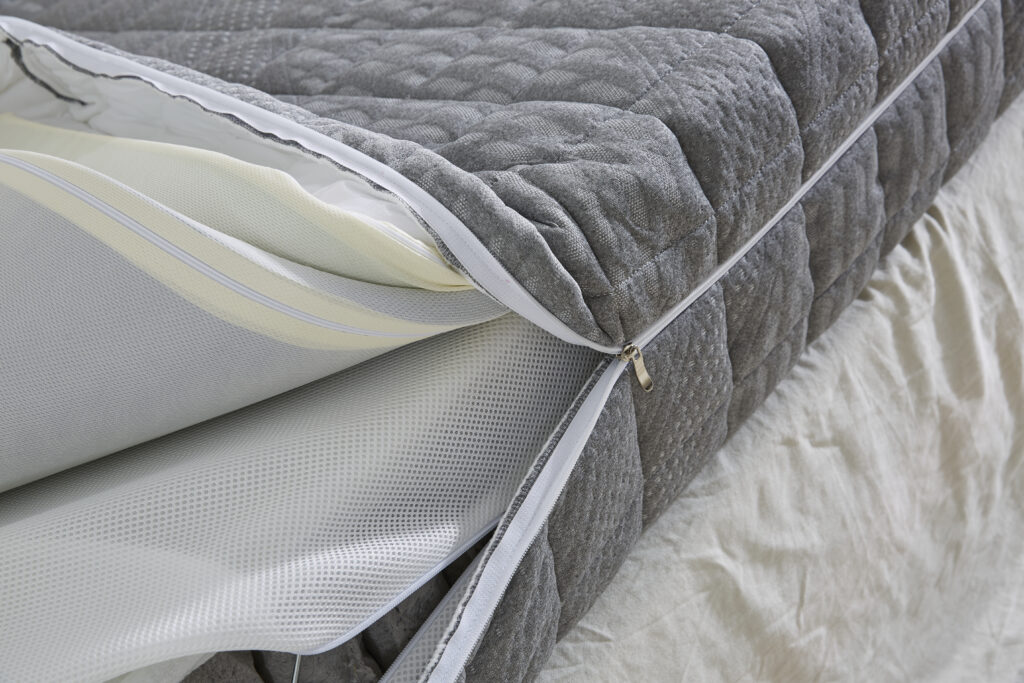
Waking up with stiffness, numbness, or a sharp ache in your lower back? You’re not alone. Over 30% of adults experience back pain at some point, and poor spinal alignment during sleep is a leading culprit. For chronic sufferers, the wrong mattress doesn’t just ruin a night’s rest—it perpetuates a cycle of muscle strain and nerve compression. At Fanwish, we engineer mattresses for lower back pain that fuse orthopedic science with adaptive comfort, targeting the root causes of discomfort.
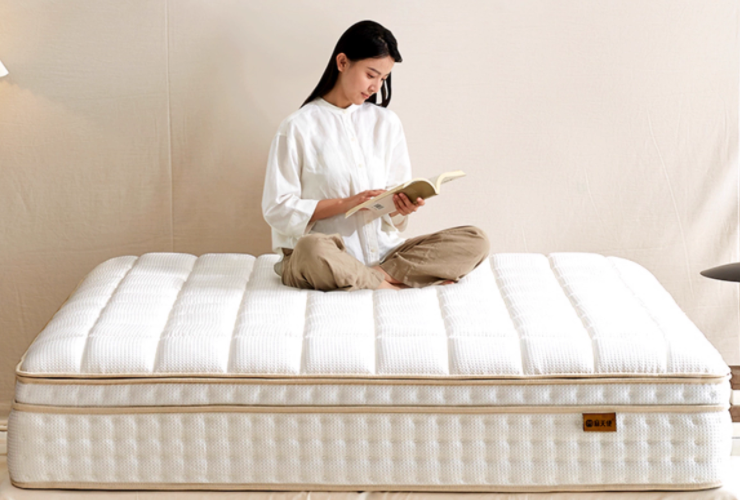
Why Your Mattress Worsens Lower Back Pain (And How to Fix It)
Your spine naturally curves inward at the lower back (lumbar lordosis). When a mattress fails to preserve this curve, muscles and ligaments overcompensate, leading to inflammation. Common failures include:
Sagging: Soft mattresses allow hips to sink too deeply, tilting the pelvis and straining lumbar discs.
Excessive Firmness: Rigid surfaces create pressure points at the shoulders and hips, forcing the spine into a reverse “C” shape.
Poor Material Responsiveness: Traditional springs or dense foam can’t adapt to the lumbar curve, leaving unsupported gaps.
Research reveals that medium-firm mattresses reduce pain by 48% compared to firm options, but “ideal firmness” varies by body type and sleep position. This is where precision engineering matters.
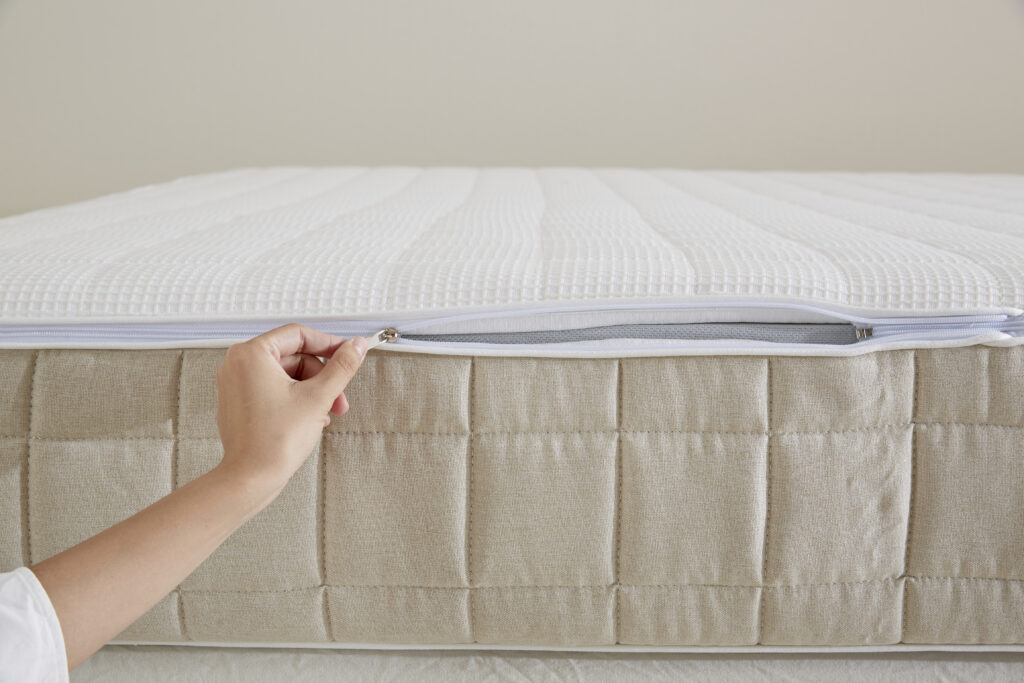
Types of Mattresses for Lower Back Pain: Pros, Cons & Best Fit
1. Memory Foam Mattresses
How They Work: Viscoelastic foam molds to body contours, redistributing weight away from pressure points.
Pros: Excellent motion isolation; cradles lumbar curve; affordable.
Cons: Can retain heat; may lack edge support; slower response time.
Best For: Side sleepers under 230 lbs; couples; pain localized to hips/shoulders.
2. Hybrid Mattresses (Pocket Springs + Foam/Latex)
How They Work: Individually wrapped coils provide zoned support, paired with foam or latex for pressure relief.
Pros: Balanced support/comfort; cooling airflow; durable.
Cons: Heavy; premium pricing.
Best For: Back and stomach sleepers; hot sleepers; those needing targeted lumbar reinforcement.
3. Latex Mattresses
How They Work: Natural or synthetic rubber offers buoyant, responsive support.
Pros: Cooling; hypoallergenic; eco-friendly.
Cons: Expensive; limited contouring.
Best For: Eco-conscious buyers; back sleepers; allergy sufferers .
4. Orthopedic (Firm) Mattresses
How They Work: High-density foams or coils create rigid, unyielding surfaces.
Pros: Maximizes spinal alignment; prevents sinking.
Cons: Can exacerbate shoulder/hip pressure; uncomfortable for side sleepers.
Best For: Stomach sleepers; heavier individuals.
Comparative Guide: Matching Mattress Type to Your Profile
| Mattress Type | Best Sleep Position | Weight Range | Pain Focus | Thermal Profile |
| Memory Foam | Side | < 230 lbs | Hips/Shoulders | Retains heat |
| Hybrid | Back/Stomach | 130–250 lbs | Lumbar/Sciatica | Cooling |
| Latex | Back | All weights | Overall alignment | Highly cooling |
| Orthopedic (Firm) | Stomach | > 230 lbs | Spinal compression | Variable |
How to Choose Your Ideal Mattress for Lower Back Pain: 4 Key Factors
- Prioritize Your Dominant Sleep Position
Side Sleepers: Opt for medium-soft (4–6/10 firmness) to cushion shoulders/hips.
Back Sleepers: Choose medium-firm (6–7/10) to maintain lumbar curve.
Stomach Sleepers: Select firm (8+/10) to prevent pelvic tilt.
2. Match Firmness to Your Weight
< 130 lbs: Soft (3–4/10) prevents excessive pressure.
130–230 lbs: Medium-firm (5–7/10) balances sink and support.
> 230 lbs: Firm (8+/10) prevents deep sinkage.
3. Test for Spinal Neutrality
When lying down, slide a hand under your lower back. If there’s excessive space, the mattress is too firm; if your hips sink and your hand is compressed, it’s too soft. Ideal alignment leaves minimal gap.
4. Verify Certifications & Trials
Look for CertiPUR-US® (non-toxic foams) and OEKO-TEX® (hypoallergenic fabrics). Demand ≥100-night trials (Fanwish offers 120 nights).
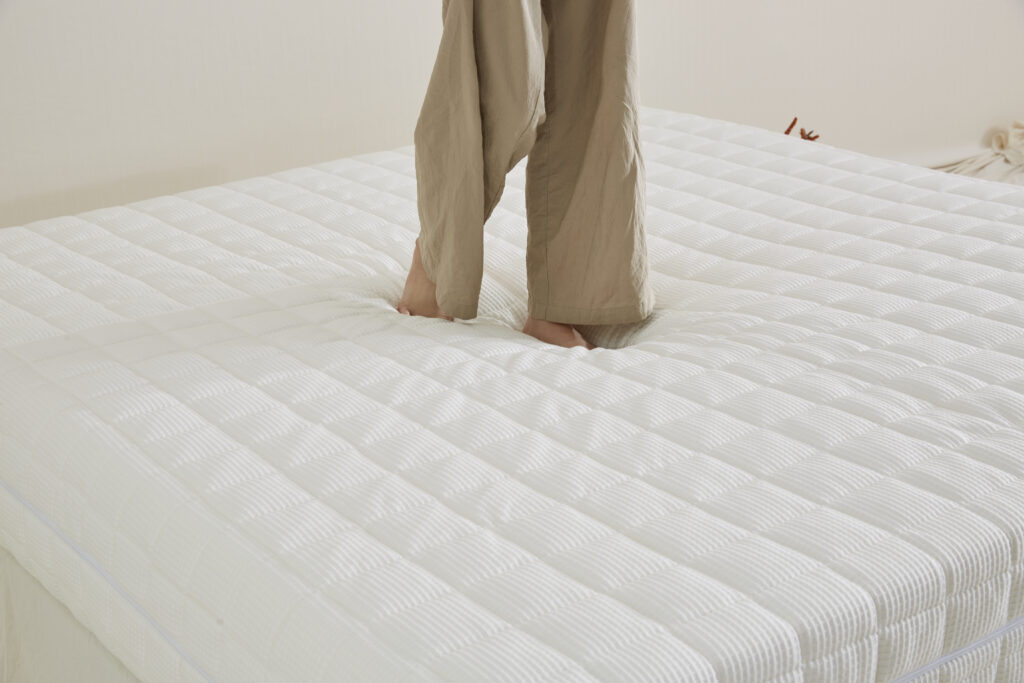
Beyond the Mattress: Maximizing Pain Relief
Pillow Pairing: Side sleepers need thicker pillows to fill shoulder-neck gaps; back sleepers require cervical-curved pillows (e.g., Tempur-Neck).
Wedge Pillows: Elevate knees or upper body to reduce disc pressure.
Maintenance: Rotate your mattress quarterly; replace every 7–10 years as foams degrade.
Why Settle for Painful Mornings?
A mattress for lower back pain shouldn’t be a guessing game. Fanwish’s SpineAlign Series delivers clinically validated support, marrying pressure relief for your lumbar region with cervical stability—addressing the full spinal chain. With 120 nights to test it risk-free, your path to pain-free sleep starts now.